
 HiPP Organic German
 HiPP Organic Dutch
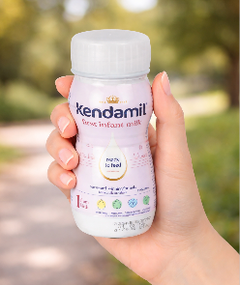
 Kendamil
 Holle Organic
 0+ Months
 6+ Months
 12+ Months
 24+ Months


 Ready to Feed
 Cow’s Milk
 Goat's Milk
 Hypoallergenic
 Specialty




Let customers speak for us
Frequently Asked Questions
Find answers to common questions below
What is the main difference between Stage 1 and Stage 2 formula?
The primary differences are iron content and protein structure. By 6 months, infants require more iron for brain development as their birth-stored iron fades. Stage 2 formulas (Follow-on) also often adjust the whey-to-casein ratio; while Stage 1 is whey-heavy to mimic early breast milk, Stage 2 often contains more casein protein and organic starches (like in HiPP or Holle) to keep your increasingly active baby full for longer.
When exactly should I switch my baby to Stage 2 formula?
Most pediatric guidelines in Canada and the US suggest transitioning around the 6-month mark, coinciding with the introduction of solid foods. You don't need to switch the day they turn six months; however, if you notice your baby is finishing 8oz bottles and still acting hungry, or if they are starting to crawl/sit up, they likely need the higher caloric density and minerals found in Stage 2.
Can I keep my 6-month-old on Stage 1 formula instead of switching?
While Stage 1 is technically "complete" nutrition, it is optimized for newborns. If you stay on Stage 1 past 6 months, your baby may not receive enough iron or calcium to support their doubling birth weight and bone density. If your baby has a very sensitive stomach, we recommend a gradual transition: mix 75% Stage 1 with 25% Stage 2 for a few days to allow their digestive system to adjust to the more complex proteins.
Does Stage 2 formula help babies sleep longer through the night?
Many parents find that Stage 2 formulas (especially European brands like Holle or HiPP German) help with "satiety" because they contain slightly more complex carbohydrates like organic starch or maltodextrin. Because these ingredients take longer to digest than the simple lactose in Stage 1, they can help a baby feel "fuller" for a longer duration. While not a "sleep cure," it often helps babies who are waking up purely out of hunger.
Is Stage 2 formula necessary if my baby is already eating solid foods?
Yes. Even as babies begin "weaning" onto solids, milk remains their primary source of hydration and nutrition until age one. Solid foods at 6–9 months are often more about "exploration" than caloric intake. Stage 2 formula is specifically designed as "Follow-on" nutrition, meaning it fills the nutritional gaps (like Vitamin D and Omega-3s) that early solids like fruit purees or rice cereals might lack.


Join to get special offers, free giveaways,
and awesome baby deals!
Be the first know about new offers and deals.
 Your information will be kept Private