
 HiPP Organic German
 HiPP Organic Dutch
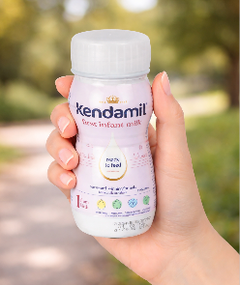
 Kendamil
 Holle Organic
 0+ Months
 6+ Months
 12+ Months
 24+ Months


 Ready to Feed
 Cow’s Milk
 Goat's Milk
 Hypoallergenic
 Specialty




Let customers speak for us
Frequently Asked Questions
Find answers to common questions below
What does the "Demeter" certification mean for Holle Cow Milk?
Demeter is the oldest and strictest biodynamic certification in the world, far exceeding standard EU Organic requirements. For Holle Cow Formula, this means the milk comes from cows raised on biodynamic farms where animal welfare is the highest priority—specifically, cows are not dehorned, as Holle believes this affects the digestive and metabolic quality of the milk. The farms must be self-sustaining ecosystems, ensuring the soil and grass are free from synthetic pesticides and chemical fertilizers, resulting in the purest possible raw milk base.
Why is the ingredient list in Holle Cow shorter than other brands?
Holle follows a "back-to-basics" philosophy. Unlike many modern formulas that add complex prebiotics, probiotics, and gums, Holle focuses on a minimalist, nutrient-dense recipe. This makes it the "gold standard" for babies with extremely sensitive systems who may react to the supplemental cultures or stabilizers found in other brands. By focusing on high-quality biodynamic fats and proteins, Holle provides complete nutrition without the "filler" ingredients.
Does Holle Cow formula contain palm oil?
Yes, Holle uses organic palm oil as part of its vegetable oil blend to provide palmitic acid, ensuring the formula’s fatty acid profile matches breast milk. However, unlike conventional brands, Holle uses only RSPO-certified, organic, and biodynamic palm oil. This ensures it is sustainably sourced without deforestation. When combined with the high-quality milk fats in Holle, it provides the necessary energy for rapid infant growth while maintaining the brand's commitment to the planet.
What is the difference between Holle Cow Stage 1 and Stage 2?
The transition is driven by the baby's changing iron and energy needs at 6 months. Stage 1: Designed for newborns, it is lactose-based and formulated to be as gentle as possible on a developing gut. Stage 2: A "Follow-on" formula that contains increased Iron, Calcium, and Vitamin D to support bone density and blood health as babies begin eating solids. It also often includes a small amount of organic maltodextrin/starch to provide more sustained energy for babies who are becoming more active (crawling and sitting up).
Is Holle Cow formula better than Holle Goat for my baby?
It depends on your baby's protein tolerance. Holle Cow is the traditional choice and is exceptionally well-tolerated by most healthy infants. However, if your baby experiences significant gas, reflux, or eczema on cow milk, Holle Goat may be the better option due to its smaller protein curds. From a nutritional standpoint, both meet the same rigorous Demeter standards; the choice typically comes down to whether your baby’s digestive system prefers the A1/A2 protein mix of cow milk or the A2-exclusive profile of goat milk.


Join to get special offers, free giveaways,
and awesome baby deals!
Be the first know about new offers and deals.
 Your information will be kept Private