
 HiPP Organic German
 HiPP Organic Dutch
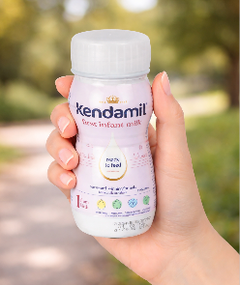
 Kendamil
 Holle Organic
 0+ Months
 6+ Months
 12+ Months
 24+ Months


 Ready to Feed
 Cow’s Milk
 Goat's Milk
 Hypoallergenic
 Specialty




Let customers speak for us
Frequently Asked Questions
Find answers to common questions below
What makes European organic standards stricter than US/Canadian ones?
The fundamental difference lies in the "Organic Percentage." While USDA organic certification allows for up to 5% non-organic ingredients from an approved list, EU Organic certification requires 95% to 100% organic content. Furthermore, European regulations (EFSA) strictly prohibit the use of corn syrup, glucose syrup solids, and synthetic preservatives that are technically permitted in some North American organic brands. Choosing European means adhering to the world's most rigorous "Clean Label" standards.
Why are European formulas divided into "Stages"?
European manufacturers prioritize "staged nutrition" because breast milk is dynamic—it changes its caloric and mineral density as a baby grows. Stage 1/PRE: Designed for newborns with a 60:40 whey-to-casein ratio. Stage 2 (6+ months): Increases iron and calcium to support bone growth and complementary feeding. Stage 3 (10-12+ months): Acts as a bridge to toddlerhood with higher vitamin D and healthy fats. This staging ensures your baby gets age-appropriate nutrients without overloading their kidneys with excess minerals they can't yet process.
Is it true that European formulas are "Corn Syrup Free"?
Yes. Under EU Organic law, refined sugars and corn syrups are strictly banned as carbohydrate sources. European brands like HiPP, Holle, and Kendamil use Organic Lactose as their primary energy source because it is the exact sugar found naturally in breast milk. This prevents the "blood sugar spikes" associated with corn syrup and helps develop a baby’s natural palate without an early addiction to hyper-processed sweeteners.
What are Demeter and Bioland certifications in European formulas?
These are "Gold Standard" biodynamic certifications that go far beyond standard organic. Demeter (found in Holle): The strictest criteria in the world, requiring regenerative farming, no dehorning of cows, and absolute biodiversity on the farm. Bioland (found in Lebenswert): Focuses on local sustainability and even higher animal welfare standards than the EU baseline. When you see these labels, you aren't just buying organic; you are buying the most chemically-pure and ethically-sourced food on the planet.
Why is DHA (Omega-3) mandatory in all European formulas?
As of 2020, the European Commission made the inclusion of DHA (Docosahexaenoic acid) mandatory in all infant formulas due to its proven role in brain and visual development. While many US/Canadian brands include DHA, it is often optional or sourced using hexane extraction. European brands typically use high-purity fish oil or algae-based DHA, ensuring your baby receives the structural fats necessary for cognitive growth during the critical first 1,000 days of life.


Join to get special offers, free giveaways,
and awesome baby deals!
Be the first know about new offers and deals.
 Your information will be kept Private