
 HiPP Organic German
 HiPP Organic Dutch
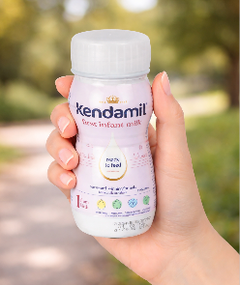
 Kendamil
 Holle Organic
 0+ Months
 6+ Months
 12+ Months
 24+ Months


 Ready to Feed
 Cow’s Milk
 Goat's Milk
 Hypoallergenic
 Specialty





Let customers speak for us
Frequently Asked Questions
Find answers to common questions below
Is Cow Milk formula as easy to digest as Goat Milk formula?
Generally, cow milk contains a higher ratio of A1 beta-casein proteins, which can form a firmer "curd" in the baby's stomach, potentially leading to slower digestion. However, many premium organic cow milk formulas (like Kendamil or specific Holle lines) prioritize whole milk fats or A2-only proteins. These innovations significantly narrow the digestibility gap, making organic cow milk an excellent, nutrient-dense choice for babies without a diagnosed dairy sensitivity.
What are the benefits of "Grass-Fed" Cow Milk formula?
Grass-fed cows, particularly those on Demeter-certified farms (like Holle), produce milk with a superior fatty acid profile. Research shows that milk from pasture-raised cows contains up to 5x more Conjugated Linoleic Acid (CLA) and significantly higher levels of Omega-3s compared to grain-fed cows. For your baby, this means a more natural source of brain-building fats and fat-soluble vitamins without the need for excessive synthetic fortification.
Why do some European cow formulas include starch, and should I avoid it?
In European Stage 1 and 2 formulas, organic starch is often added to create a creamier texture and increase satiety (the "fullness" factor). Unlike the corn syrup or high-fructose solids found in some US brands, this starch is complex and slowly digested. If your baby has a very fast metabolism and seems constantly hungry, a starch-containing formula can help. However, for newborns under 3 months, many parents prefer a starch-free option (like HiPP Dutch or Kendamil) to keep digestion as simple as possible.
Can babies with a Cow’s Milk Protein Allergy (CMPA) use these formulas?
No. Standard organic cow milk formulas—even premium ones—contain the intact proteins that trigger a CMPA reaction. If your baby has been diagnosed with a milk allergy, you should look toward extensively hydrolyzed (HA) formulas or consult your pediatrician about a plant-based alternative. For babies with mild sensitivity (not a full allergy), a Goat Milk formula or an A2 Cow Milk version may be tolerated better because of the different protein structures.
How does the "Whey-to-Casein" ratio change in Cow Milk stages?
European cow milk formulas are "staged" to mirror the natural evolution of breast milk. Stage 1: Usually has a 60:40 whey-to-casein ratio, mimicking early breast milk to ensure easy absorption for newborns. Stage 2 & 3: The ratio shifts (often toward 40:60), increasing the casein content. This reflects the natural change in breast milk as a baby grows, providing more "staying power" for older, more active infants who are beginning their journey with solid foods.


Join to get special offers, free giveaways,
and awesome baby deals!
Be the first know about new offers and deals.
 Your information will be kept Private