
 HiPP Organic German
 HiPP Organic Dutch
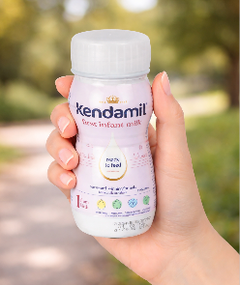
 Kendamil
 Holle Organic
 0+ Months
 6+ Months
 12+ Months
 24+ Months


 Ready to Feed
 Cow’s Milk
 Goat's Milk
 Hypoallergenic
 Specialty




Let customers speak for us
Frequently Asked Questions
Find answers to common questions below
Does my one-year-old need Stage 3 formula or regular cow's milk?
While healthy toddlers can switch to whole cow’s milk at 12 months, many parents in the US and Canada choose Stage 3 Growing-Up Milk as a nutritional bridge. Standard cow's milk is naturally low in Iron, Vitamin D, and Omega-3 (DHA)—three nutrients critical for a one-year-old's rapid brain and bone growth. Stage 3 formulas (like HiPP or Kendamil) are specifically fortified to fill these common "picky eater" gaps, providing more iron than cow's milk while reducing the high protein load that can be taxing on a toddler's kidneys.
What is the main nutritional difference between Stage 2 and Stage 3?
The primary shift is in the mineral balance. Stage 3 formulas are adjusted to complement a diet that now includes more solid foods. They typically contain higher levels of Calcium and Phosphorus for bone density and a refined fat blend to support increased physical activity. Additionally, Stage 3 often utilizes a different whey-to-casein ratio (moving toward 20:80) to better match the digestive maturity of a toddler, making it more satiating than infant-level formulas.
Why are European Stage 3 formulas better than US "Toddler Drinks"?
Many North American "toddler drinks" are essentially fortified milk with added sugars, corn syrup, or artificial flavors. European Stage 3 formulas (HiPP, Holle, Kendamil) are strictly regulated by the EFSA, which prohibits the use of refined sugars and corn syrups. Instead, they use Organic Lactose and complex carbohydrates. Choosing European ensures your child continues to receive high-purity, non-GMO nutrition without being conditioned to crave overly sweet beverages.
Can Stage 3 formula help with my toddler's picky eating?
Absolutely. The "picky eating" phase often peaks between 12 and 24 months. Stage 3 formula acts as nutritional insurance. If your toddler is refusing iron-rich meats or Vitamin D-heavy eggs, a morning and evening bottle of Stage 3 ensures they still meet their daily micro-nutrient requirements. This provides parents with peace of mind during "food strikes," knowing the child’s cognitive development isn't being stalled by temporary dietary gaps.
How much Stage 3 formula should a toddler drink per day?
For a child over 12 months, the goal is to shift the majority of calories to solid foods. Pediatric guidelines typically recommend about 16 to 20 ounces (approx. 500ml) of milk or Stage 3 formula per day. Drinking more than this can lead to "milk anemia," where the child is too full to eat iron-rich solids. Serving Stage 3 in a sippy cup or open cup rather than a bottle can also help with the transition and protect their developing teeth.


Join to get special offers, free giveaways,
and awesome baby deals!
Be the first know about new offers and deals.
 Your information will be kept Private