
 HiPP Organic German
 HiPP Organic Dutch
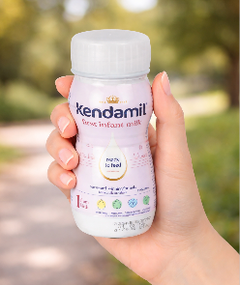
 Kendamil
 Holle Organic
 0+ Months
 6+ Months
 12+ Months
 24+ Months


 Ready to Feed
 Cow’s Milk
 Goat's Milk
 Hypoallergenic
 Specialty




Let customers speak for us
Frequently Asked Questions
Find answers to common questions below
Is Stage 4 formula necessary if my child is eating solid foods?
While not a "requirement" for every child, Stage 4 formula (Toddler Milk) serves as a nutritional insurance policy. Between 24 and 36 months, many children enter a "picky eating" phase where their intake of iron, Vitamin D, and Omega-3s drops. Unlike standard cow's milk, Stage 4 formulas are fortified with these specific micronutrients in bioavailable forms, ensuring that developmental gaps are filled while your child transitions to a fully diversified adult diet.
How does Stage 4 formula compare to standard store-bought whole milk?
Standard cow's milk is often too high in protein and saturated fat while being nearly devoid of Iron and Vitamin D. Stage 4 European formulas (like HiPP or Holle) are specifically balanced to reduce the "protein load" on a toddler's kidneys while providing significantly higher levels of essential fatty acids (DHA/ALA) and iodine for cognitive development. Furthermore, by choosing Organic Stage 4, you avoid the trace growth hormones and pesticide residues often found in non-organic commercial dairy.
Can I give Stage 4 formula to a child with a sensitive stomach?
Yes. Many toddlers experience bloating or "heavy" digestion from the A1 proteins in standard grocery store milk. If your child is sensitive, a Stage 4 Goat Milk formula (like Holle Goat Stage 4) is an excellent alternative. It naturally contains only A2 beta-casein proteins, which form a softer curd in the stomach, making it much easier to digest for toddlers who are prone to constipation or minor dairy sensitivities.
Does Stage 4 formula contain added sugars or corn syrup?
One of the primary reasons parents switch to European Stage 4 formulas is the absence of refined sugars. Many North American "toddler drinks" use corn syrup or sucrose to improve taste. European brands like HiPP and Holle rely on organic lactose (the natural sugar found in milk) and complex organic starches for energy. This prevents blood sugar spikes and avoids conditioning your child’s palate to prefer hyper-sweetened beverages early in life.
How much Stage 4 formula should a toddler drink daily?
For children aged 24 months and older, the primary source of nutrition should be solid foods. Most pediatricians and European guidelines recommend about 10–12 ounces (300–350ml) of Stage 4 milk per day, usually split between two servings (morning and evening). This provides the necessary calcium and Vitamin D without filling the child up so much that they lose interest in their regular meals.


Join to get special offers, free giveaways,
and awesome baby deals!
Be the first know about new offers and deals.
 Your information will be kept Private