
 HiPP Organic German
 HiPP Organic Dutch
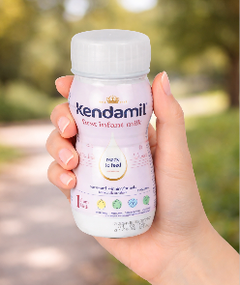
 Kendamil
 Holle Organic
 0+ Months
 6+ Months
 12+ Months
 24+ Months


 Ready to Feed
 Cow’s Milk
 Goat's Milk
 Hypoallergenic
 Specialty





Let customers speak for us
Frequently Asked Questions
Find answers to common questions below
What is the difference between Kendamil Classic and Kendamil Organic?
Both are made with whole British milk, contain no palm oil and use DHA from algae. The main difference is certification: Kendamil Organic uses EU-certified organic ingredients from grass-fed cows, while Kendamil Classic (Premium) uses conventional ingredients and is usually more budget-friendly. The prebiotic blends and stage ranges also differ slightly. Classic runs from Stage 1 to Stage 4, while Organic runs from Stage 1 to Stage 3. Both are nutritionally complete.
Does Kendamil Classic still contain MFGM and HMOs?
Kendamil Classic is made with whole milk, so it naturally contains MFGM, the milk fat globule membrane, which is also found in breast milk. Kendamil also highlights naturally occurring 3'-GL (galactosyllactose), an oligosaccharide found in milk, in its recipes. Check the nutrition panel of the stage you choose to see exactly what’s included.
Why is Kendamil Classic better for babies with constipation?
Kendamil Classic is made without palm oil. Some studies suggest the palm oil used in many formulas can bind with calcium in a baby’s gut, which may lead to firmer stools and lower calcium absorption. Kendamil uses whole milk fats and other vegetable oils instead, and Stages 1 and 2 include GOS prebiotics. Many parents find this gentle on digestion. If constipation is ongoing, Kendamil Comfort or a chat with your pediatrician may help.
Is Kendamil Classic "Clean Label" even if it isn't Organic?
Yes, for many parents. Kendamil Classic is made to EU and British standards, with no palm oil, no soy, no fish oil and no GMOs, and it’s approved by the Vegetarian Society. The formulas we carry use lactose as their main carbohydrate rather than corn syrup. The trade-off is that its ingredients aren’t certified organic. If organic certification matters to you, choose Kendamil Organic.
Why does Kendamil Classic use a 60:40 Whey-to-Casein ratio?
Kendamil Classic Stage 1 is whey-dominant, at 60:40 whey to casein, which is similar to the protein balance of breast milk and is easy for young babies to digest. As babies grow, Kendamil shifts toward more casein; Stage 3 is 20:80. Casein digests more slowly, so these later stages are more filling for older babies and toddlers.


Join to get special offers, free giveaways,
and awesome baby deals!
Be the first know about new offers and deals.
 Your information will be kept Private